

Losing more hair than usual in your 20s can feel alarming — it's an age most people don't expect to deal with hair fall. In practice, this is one of the concerns I hear most often, and the causes are usually more varied than people expect. Here's what's actually behind it, and what genuinely helps.
1. Stress-Induced Hair Fall (Telogen Effluvium)
This is one of the most common causes I see in this age group. Significant stress — exams, job changes, personal events — can push a large number of hair follicles into the shedding phase 2-3 months later. The hair fall often feels sudden and widespread, rather than a receding hairline.
What helps: This type of hair fall is usually temporary and resolves once the stressor passes, typically within 6-9 months. Scalp care and gentle stimulation (like a rosemary oil massage routine) can support healthier regrowth during this period.
2. Nutritional Deficiencies
Iron deficiency, low protein intake, and vitamin D or B12 deficiencies are common in your 20s, especially with irregular eating habits, restrictive diets, or heavy exercise routines. Hair is metabolically demanding to grow, and the body deprioritizes it when nutrients are limited.
What helps: A basic blood test (ferritin, vitamin D, B12, thyroid) can identify a deficiency early. Diet correction, and supplementation if needed, often resolves hair fall linked to this cause within a few months.
3. Hormonal Changes, Including PCOS
For many women, hair thinning in their 20s is linked to hormonal shifts, including PCOS, which affects a significant portion of women in this age group. Excess androgen activity can miniaturize hair follicles over time, similar to the mechanism behind pattern hair loss.
What helps: Managing the underlying hormonal cause is key, alongside topical support. Rosemary oil has shown some evidence of reducing DHT activity at the follicle, making it a reasonable addition to a broader routine — though it isn't a substitute for addressing the hormonal cause directly.
4. Over-Styling and Product Buildup
Frequent heat styling, tight hairstyles, and product buildup from multiple layered products can weaken hair strands and irritate the scalp, leading to breakage that's often mistaken for hair loss from the root.
What helps: Reducing heat styling frequency, avoiding tight hairstyles, and keeping the scalp clean supports healthier hair over time. Simpler routines — fewer products, applied consistently — tend to outperform complex ones.
5. Early Genetic Pattern Hair Loss
While less common in the early 20s, genetic pattern hair loss can begin earlier than people expect, especially with a strong family history.
What helps: Early intervention matters most here. Ingredients like rosemary oil, studied for effects comparable to 2% minoxidil in clinical research, are a reasonable starting point, especially when started early rather than after significant thinning has occurred.
When to Seek Professional Advice
If hair fall is sudden, patchy, accompanied by scalp symptoms, or doesn't improve after a few months of consistent care, it's worth getting a proper evaluation rather than guessing at the cause. Hair fall often has more than one contributing factor, and identifying yours makes any solution — including a good hair oil — far more effective.
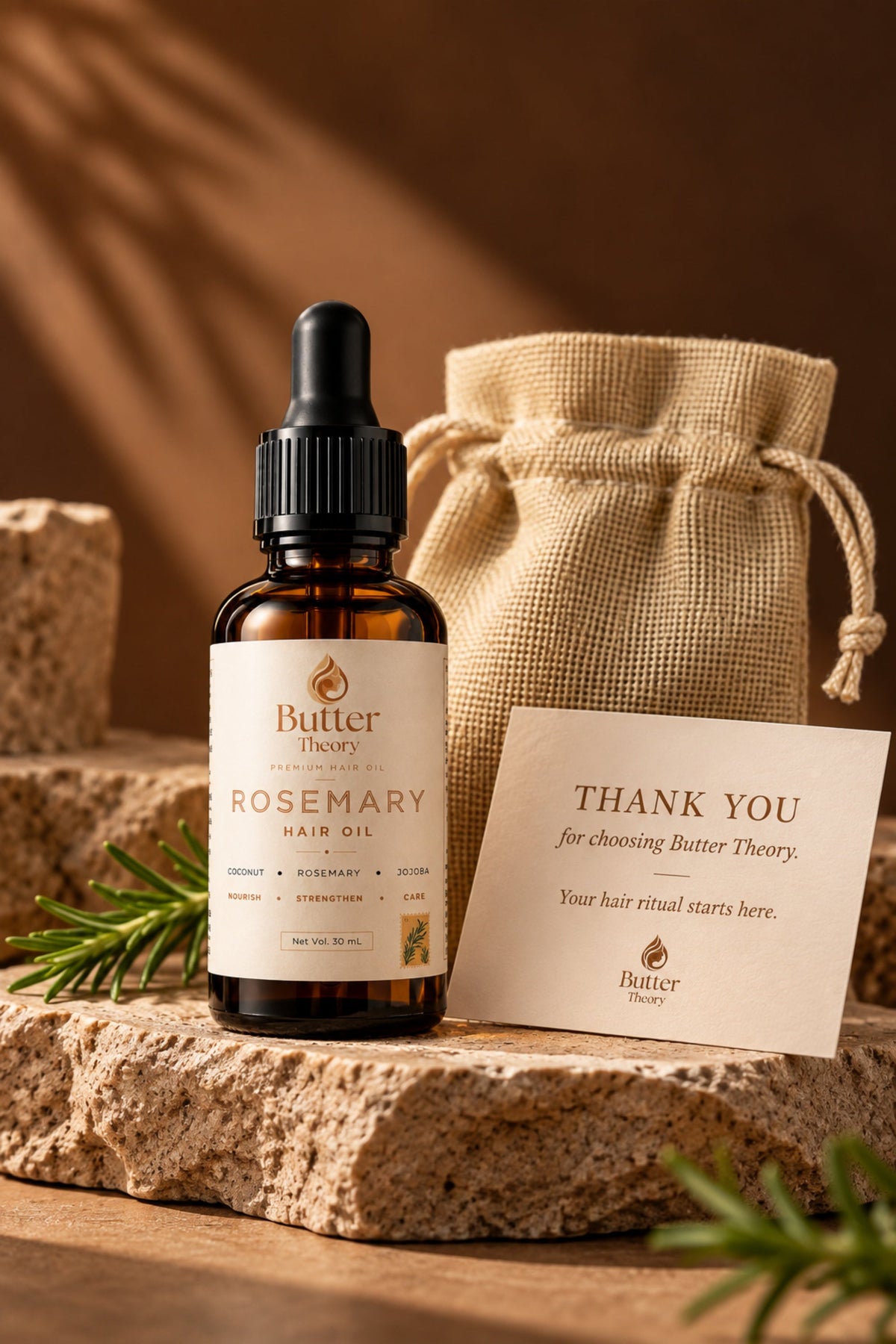
For scalp support as part of a broader routine, our Rosemary Hair Oil is formulated with rosemary, coconut, and jojoba oil, with no unnecessary fillers.
Share:
How to Use Rosemary Oil for Hair Growth: A Complete Guide