

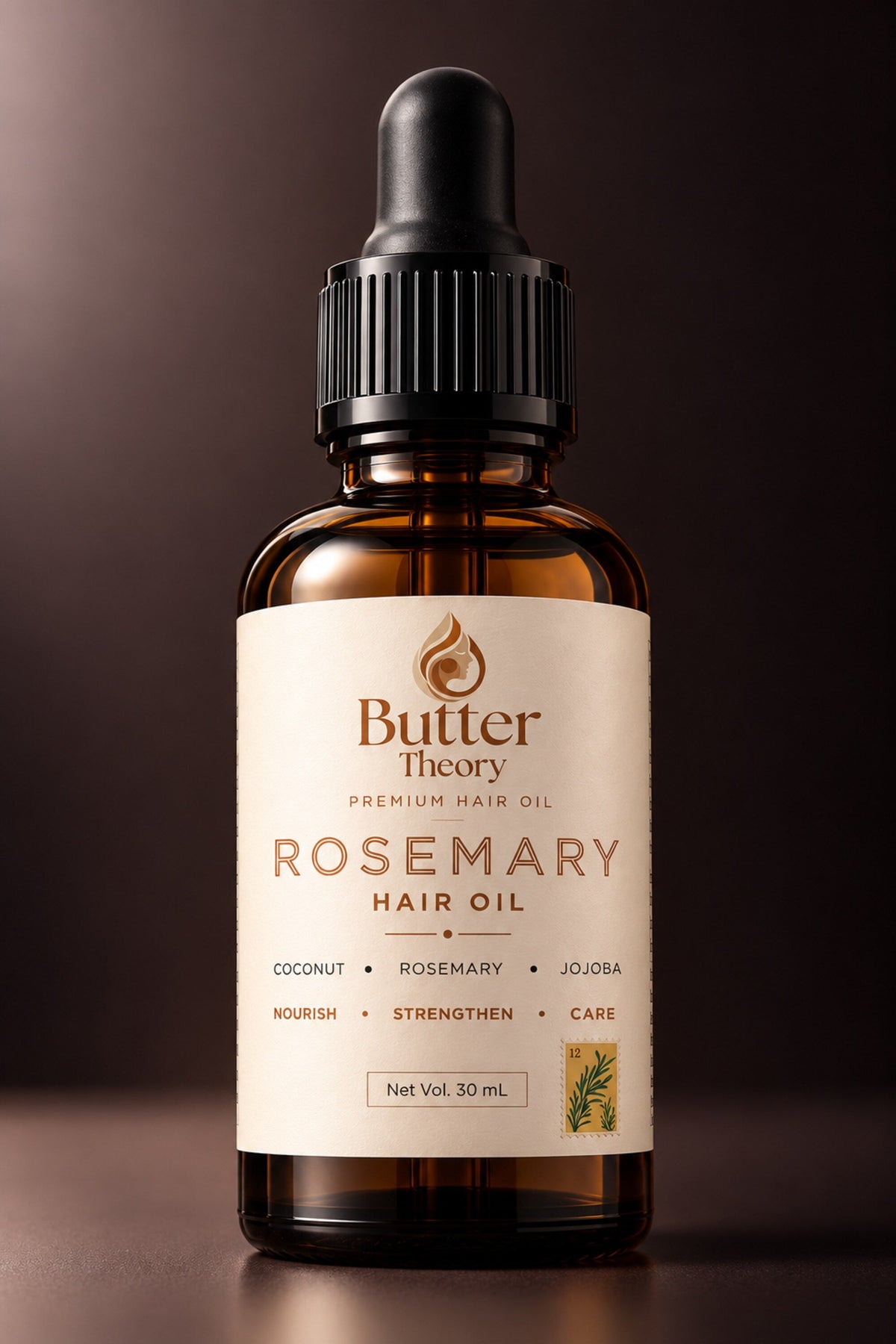
If you've searched "rosemary oil for hair growth," you've probably seen the claim everywhere: rosemary oil works as well as minoxidil. As a homeopathic doctor with a diploma in Facial Cosmetology and Aesthetics, I get asked about this constantly — so let's look at what the actual research says, not just what marketing repeats.
The Study Everyone References
The comparison comes from a randomized controlled trial published in Skinmed in 2015, led by Panahi et al. The study followed a group of people with androgenetic alopecia (pattern hair loss) over 6 months, comparing topical rosemary oil against 2% minoxidil — one of the most well-established treatments for hair loss.
The result: rosemary oil produced a comparable increase in hair count to minoxidil, with one notable difference — fewer participants reported scalp itching, a common side effect of minoxidil.
Why This Matters, and Why It Doesn't Mean What Some Ads Imply
This is genuinely significant clinical evidence for a natural ingredient — it's not just folk remedy talk. But a few honest caveats worth understanding before you expect miracle results:
- The study measured hair count, not a total transformation. Meaningful improvement, not a complete reversal of hair loss.
- Six months of consistent use was needed to see this result — not two weeks.
- Individual results vary based on the underlying cause of hair loss, which isn't always the same for everyone.
How Rosemary Oil Works on the Scalp
Rosemary's active compounds — primarily rosmarinic acid and carnosic acid — improve microcirculation in the scalp. Better blood flow means hair follicles receive more oxygen and nutrients, which helps keep them in the active growth (anagen) phase longer. Some research also suggests a role in reducing DHT activity at the follicle, relevant for pattern thinning.
What This Means If You're Considering It
If you're dealing with hair thinning or fall and want to try something backed by real research before considering pharmaceutical options, rosemary oil is a reasonable, well-supported place to start — as long as you go in with realistic expectations about the timeline (think months, not days) and consistency of use (2-3 times a week, not sporadically).
Our Rosemary Hair Oil is formulated with just rosemary, coconut, and jojoba oil — no fillers diluting the concentration that research studies actually tested.
A Note on Expectations
Rosemary oil is not a guaranteed cure, and hair loss can have multiple causes — genetics, hormones, stress, and nutrition all play a role. If your hair fall is sudden, severe, or accompanied by other symptoms, it's worth consulting a qualified professional directly rather than relying on any single product.
Share:
How to Use Rosemary Oil for Hair Growth: A Complete Guide